

As the healthy-eating trend continues to rise, more people are looking to reduce refined sugar and switch to safer sweetening options. Among the most common choices are Stevia (a natural plant-based sweetener) and artificial sweeteners such as Aspartame, Sucralose, and Saccharin. But when it comes to Stevia vs artificial sweeteners, which option is truly better for your health?
What Is Stevia?
Stevia is a natural sweetener extracted from the leaves of the Stevia rebaudiana plant. Its key compounds—Stevioside and Rebaudioside A—provide sweetness 100–300 times stronger than cane sugar, yet contain zero calories and do not raise blood sugar levels. It is commonly used in herbal teas, coffee, smoothies, yogurt, baking, dietary supplements, and functional beverages.

What Are Artificial Sweeteners?
Artificial sweeteners are chemically produced sugar substitutes. The most common types include Aspartame, Sucralose, Saccharin, and Acesulfame-K. They offer intense sweetness with minimal calories and are widely used in diet sodas, packaged foods, and processed snacks.
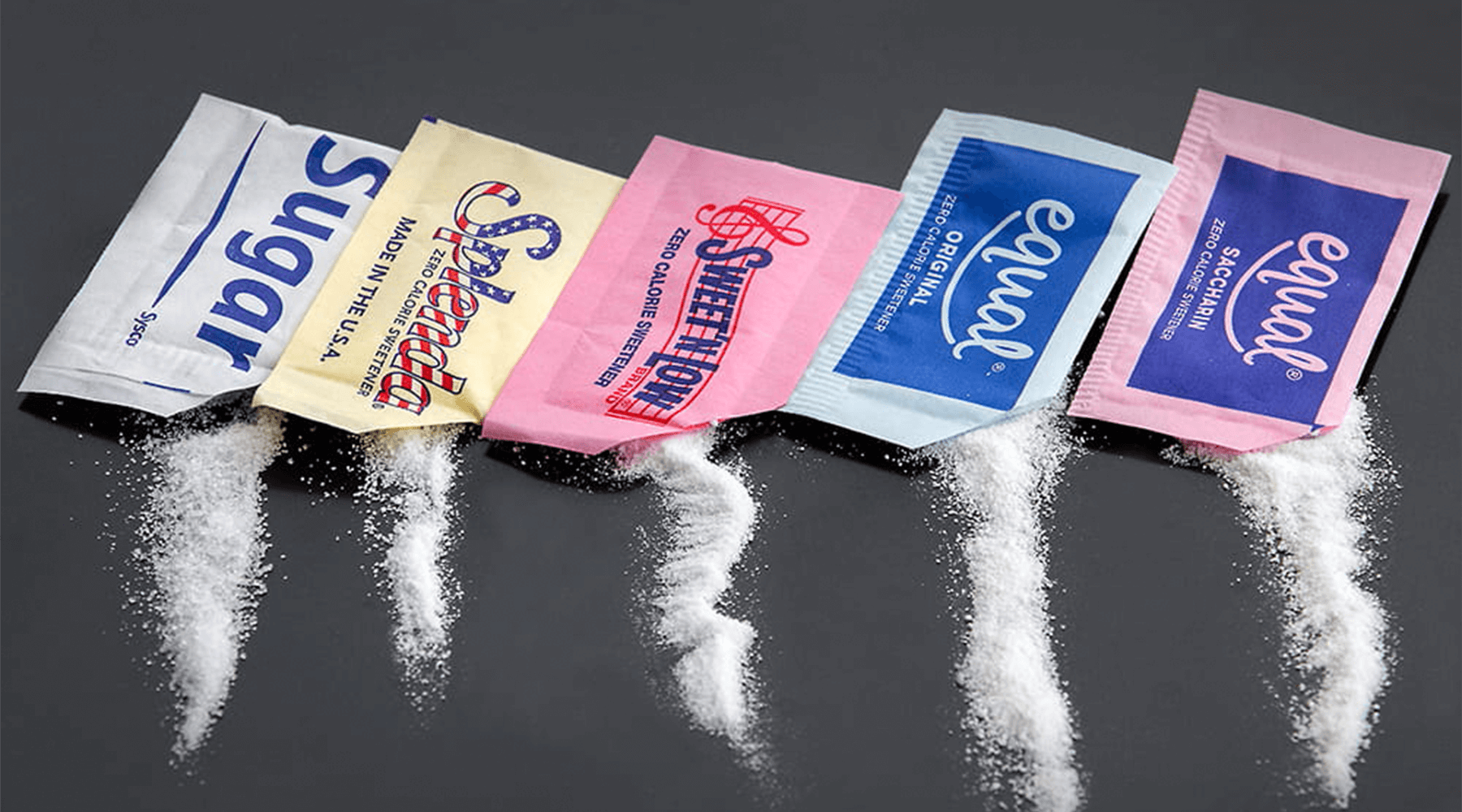
Stevia vs Artificial Sweeteners: Detailed Comparison
| Criteria | Stevia (Natural) | Artificial Sweeteners (Synthetic) |
|---|---|---|
| Origin | Stevia plant leaves | Chemically synthesized |
| Calories | 0 calories | 0–5 calories |
| Blood sugar impact | No increase | No increase |
| Long-term safety | Widely recognized | Often debated |
| Digestive effects | Minimal impact | Some types affect gut microbiome |
| Aftertaste | Mild, natural, slightly herbal | Sharp or slightly bitter |
| Diabetic-friendly | Very suitable | Depends on the type |
| Health friendliness | High | Medium |
Key Benefits of Stevia
-
100% Natural: Free from synthetic chemicals and preservatives; ideal for clean eating, keto, and low-carb lifestyles.
-
Does Not Affect Blood Sugar: Does not trigger insulin spikes; suitable for diabetics, prediabetics, and weight-loss diets.
-
Gentle on Gut Health: Does not disrupt gut microbiota like some artificial sweeteners may do.
-
Supports Weight Management: Zero calories and helps reduce sugar cravings.
-
Better for Oral Health: Does not create an acidic environment that promotes tooth decay.

Limitations of Artificial Sweeteners
-
Possible disruption of gut microbiome.
-
Potential to increase cravings for sweet foods.
-
Some studies link them to metabolic imbalances.
-
Chemical aftertaste that many users find unpleasant.
-
Long-term safety remains controversial.
Which One Is Better?
Stevia is the better choice, because it is:
-
Natural and plant-based
-
Zero calorie and blood-sugar-friendly
-
Gentle on digestion
-
Considered safe for long-term use
-
Suitable for diabetics and those on weight-loss diets
-
Overall more health-friendly than synthetic sweeteners
If you are searching for a daily sweetener that is safe and clean, Stevia clearly stands out.
Both Stevia and artificial sweeteners help reduce sugar intake. However, when considering natural origin, long-term safety, and overall health benefits, Stevia is the superior option for a sustainable, healthy lifestyle.


